Humidity and Sleep: Weather Patterns That Can Disrupt Rest
Sleep is one of the clearest ways weather can affect how a day feels. A hot bedroom, sticky humidity, storm noise, pollen, smoke or a sudden cold snap can all change sleep quality before you notice any daytime symptom.
The key is to track the night, not only the daytime forecast. A comfortable afternoon can still lead to poor recovery if the night stays warm, humid or noisy.
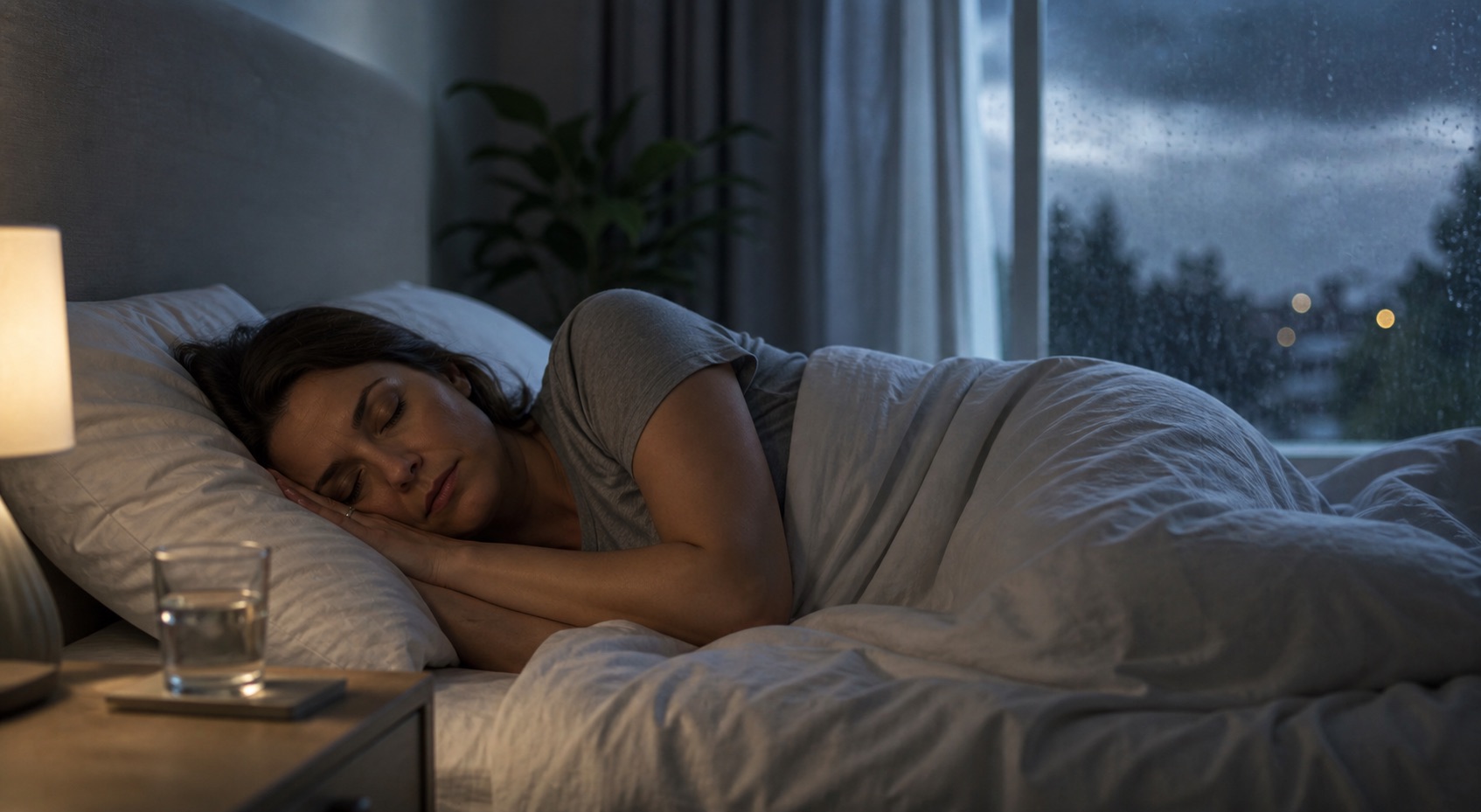
Temperature is the first sleep signal
The body normally cools as it prepares for sleep. When the room stays too warm, sleep can become lighter and more restless. Cold can disturb sleep too, especially if it causes tension or repeated waking.
The best sleep temperature is personal, but large swings and warm nights are worth tracking because they often show up as next-day fatigue, headache or low mood.
Humidity, storms and air quality
Humidity can make a room feel warmer than the thermostat suggests. Storms can add noise, flashes of light and anxiety for some people. Poor air quality or pollen may cause congestion, coughing or dry throat.
- Track nighttime feels-like temperature, not just daytime high.
- Note humidity if the room feels sticky or heavy.
- Add storm noise, wind noise and allergy symptoms to your log.
- Watch smoke, ozone or pollen if you wake congested.
A simple sleep-weather diary
Write down bedtime, wake time, awakenings, room comfort, humidity, overnight low, storm noise and nasal symptoms. In the morning, rate recovery from 1 to 5.
After two weeks, check whether poor sleep follows warm nights, humid nights, storm nights or air-quality days. The answer often points to a practical fix.
What can help
Cooling the room, improving airflow, adjusting bedding, closing windows during smoke or pollen events, and using consistent sleep timing may reduce weather-related sleep disruption.
If snoring, breathing pauses, insomnia or daytime sleepiness are persistent, get medical advice. Weather may reveal a sleep problem rather than cause it.
FAQ
Why do I sleep badly when it is humid?
Humidity can make the room feel warmer and reduce evaporative cooling, so sleep may feel lighter or more restless.
Can storms affect sleep?
Yes. Thunder, wind, light flashes and anxiety can wake people or make sleep less restorative.
Should I track daytime or nighttime weather?
For sleep, nighttime weather is usually more useful: overnight low, humidity, wind, storms and air quality.