Weather Fatigue: Why Heat, Humidity, Pressure Changes and Poor Sleep Can Drain Energy
Weather fatigue is a practical phrase for a familiar pattern: you feel unusually heavy, slow or foggy on certain weather days. It is not a medical diagnosis. It is a signal to check heat, humidity, sleep, hydration, air quality and routine.
Fatigue is complicated. Weather can contribute, but so can illness, anemia, thyroid disease, depression, medications, overtraining and poor sleep. A forecast can help you understand patterns, not replace medical evaluation.
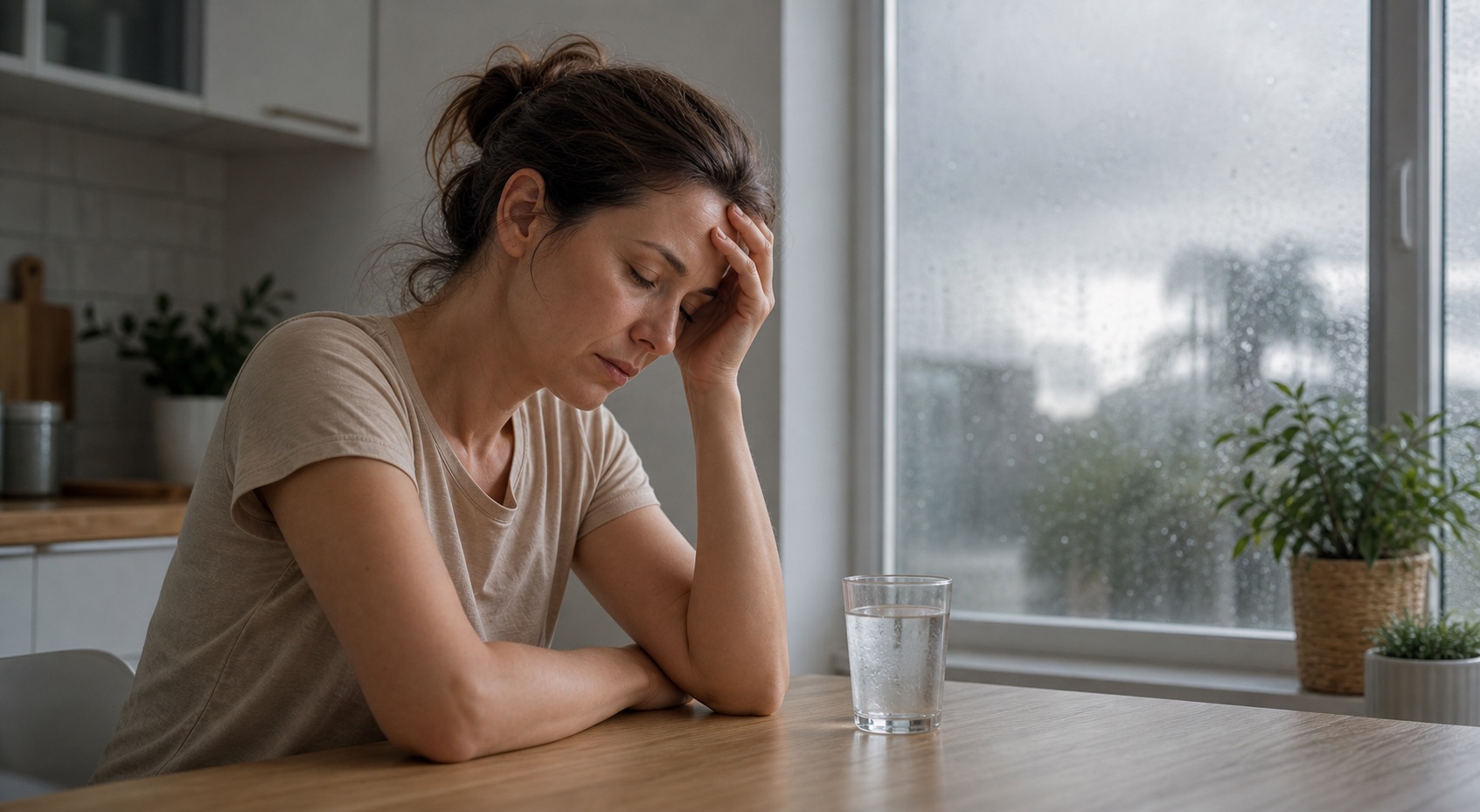
Why humid heat is tiring
When humidity is high, sweat evaporates less efficiently. The body has to work harder to cool itself, and activity may feel more demanding than the temperature suggests.
Warm nights matter too. If the bedroom never cools down, sleep can become lighter and more fragmented. The next day may feel like weather fatigue even before you start moving.
Pressure, clouds and routine changes
Some people feel lower energy around stormy or low-light weather. Part of that may be pressure, part may be reduced daylight, and part may be behavior: less movement, different caffeine timing, less outdoor time and disrupted sleep schedules.
- High humidity can make ordinary tasks feel harder.
- Hot nights can reduce sleep recovery.
- Storm days may reduce daylight and movement.
- Poor air quality can make exertion feel heavier.
What to track
Track energy on a 1 to 5 scale together with sleep duration, sleep quality, temperature, humidity, rain, wind and air quality. Add notes for caffeine, exercise, alcohol, illness and stress.
After a few weeks, look for the repeatable pattern. If fatigue appears on humid hot days after warm nights, your plan is different from fatigue that appears mainly during dark winter weather.
FAQ
Why do I feel tired before rain?
Rain often arrives with lower light, pressure changes, humidity and routine changes. Any one of these may contribute, but the pattern is usually personal.
Is humidity more tiring than heat?
Humidity can make heat feel more stressful because sweat evaporates less easily. The combination is often more important than either number alone.
Can weather fatigue be serious?
Occasional weather-related low energy is common. Persistent or severe fatigue should be discussed with a healthcare professional.